Articles
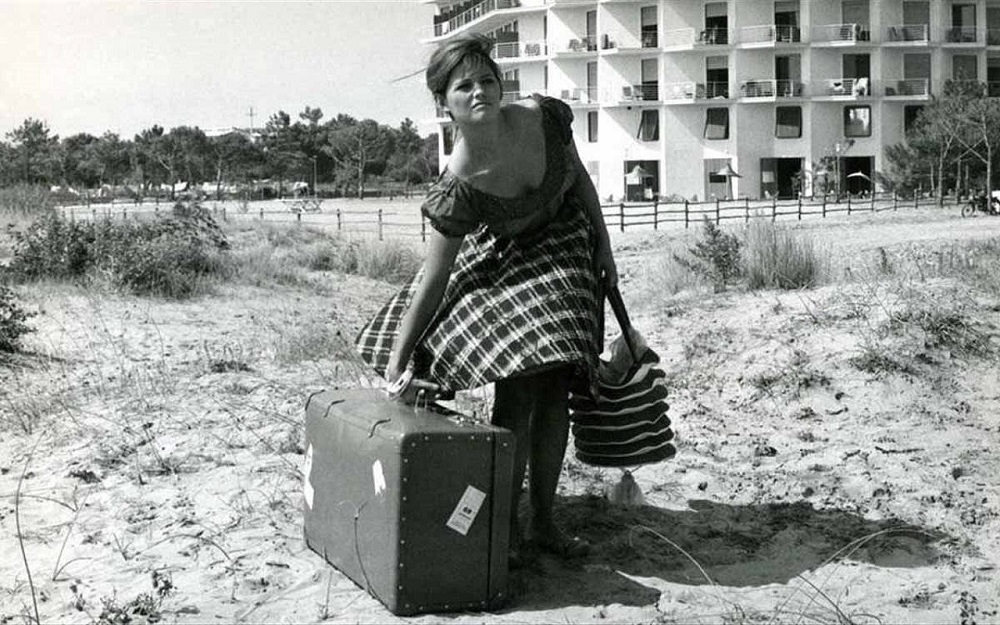
Opening session of the retrospective featuring Valerio Zurlini’s classic “La Ragazza con la Valigia,” with the special presence of Claudia Squitieri, President of the Claudia Cardinale Foundation.
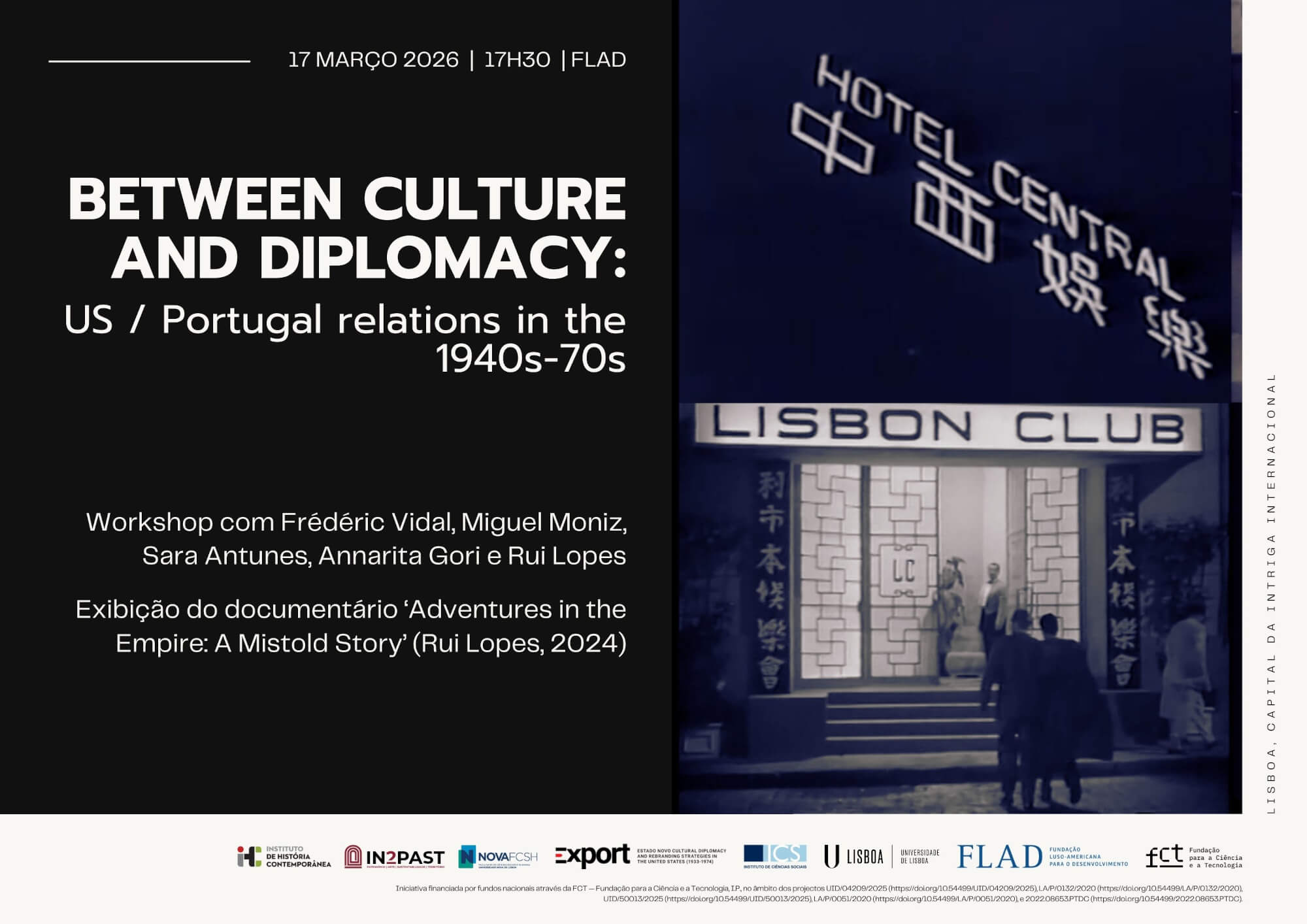
Scholar Miguel Moniz presents “An Enemy of the State” at the Institute of Contemporary History (IHC) workshop, analyzing Redmont’s AP reporting during the Salazar regime.
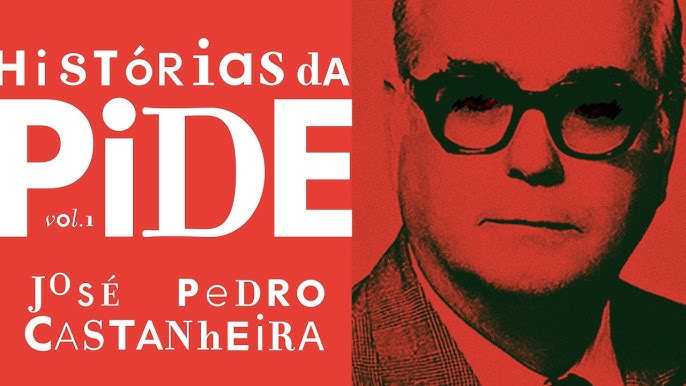
Launch of José Pedro Castanheira’s investigative work on the Estado Novo’s secret police. Dennis Redmont contributed context and illustrations to this essential historical record.
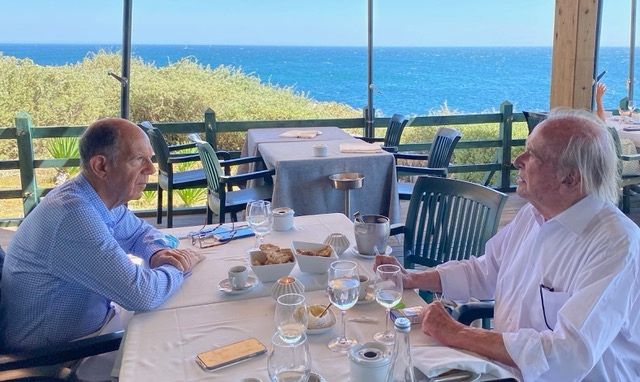
“No one can dispute that Francisco Pinto Balsemão was a Titan for freedom of the press…” — Dennis Redmont.
Article in Expresso by Costa referencing Dennis Redmont on the impact of Balsemão. (Download PDF)
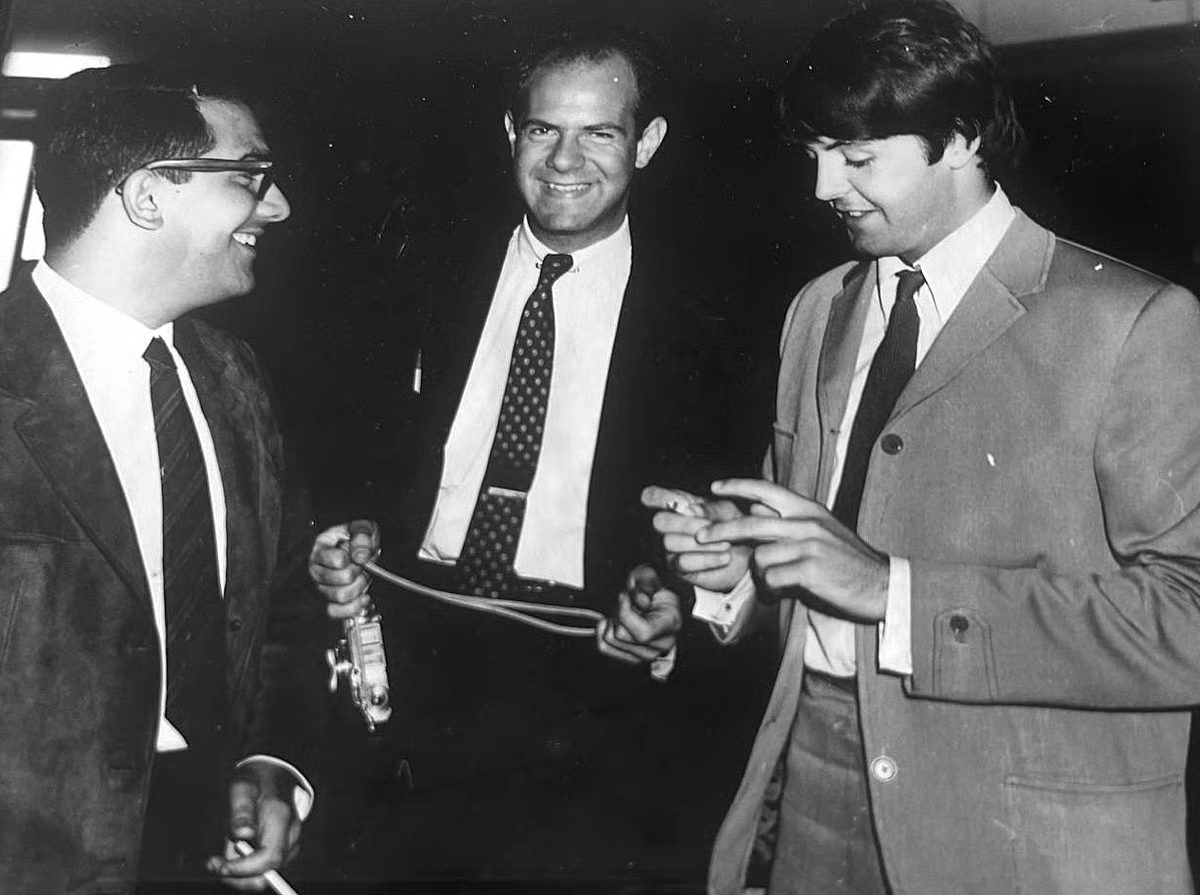
Reflections on McCartney, memory, and why a 1965 melody still shadows our present.
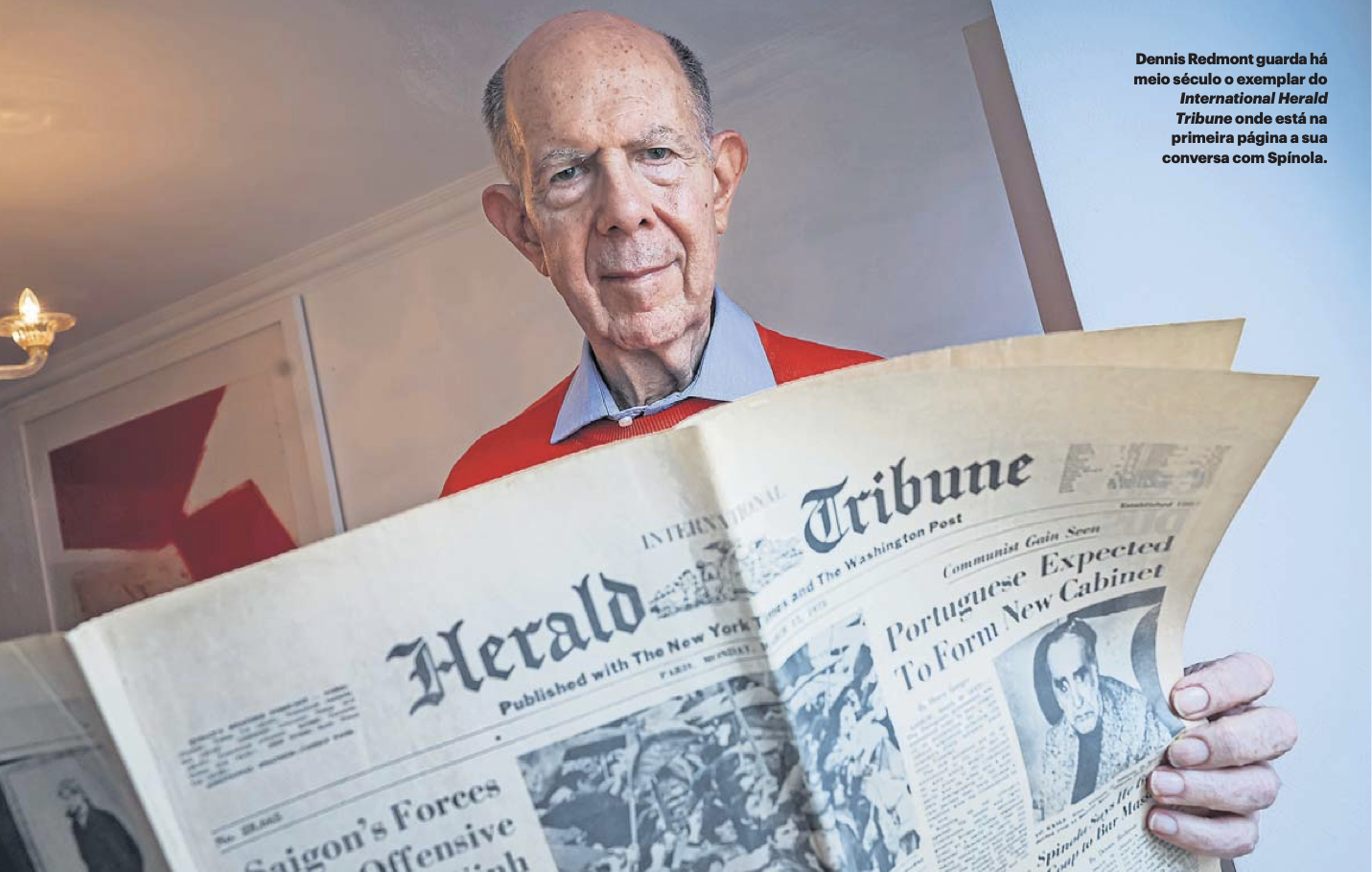
Revisiting the turning point that cemented Portugal’s post-Revolution path.
A personal remembrance piece about staying power and the weight of memory.
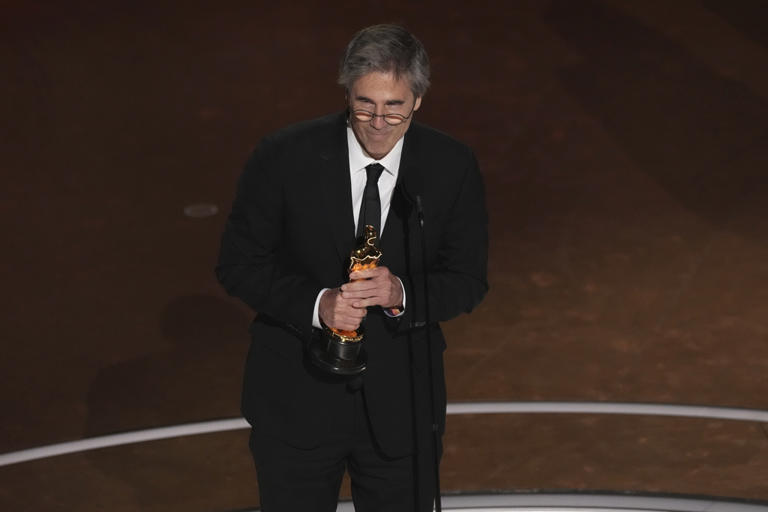
Brazil secures a landmark Oscar with a story rooted in dictatorship-era loss.
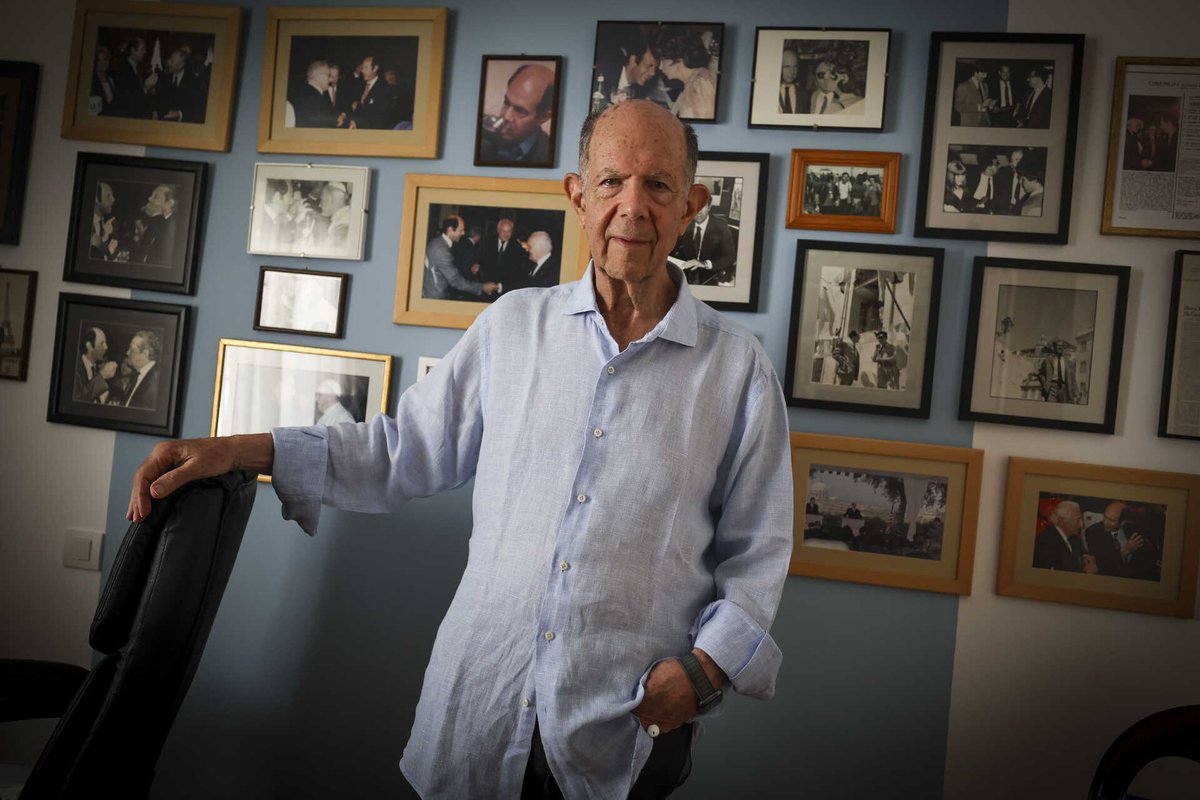
Why an unprecedented U.S. race could still change in its final miles.
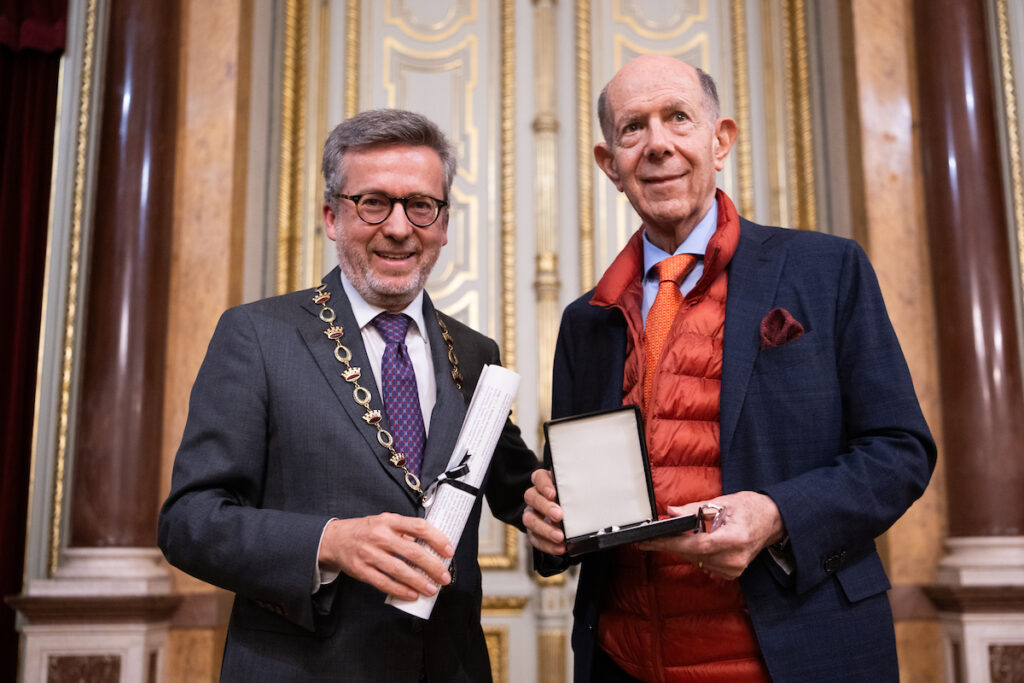
City honors decades of reporting, cultural work, and public service.
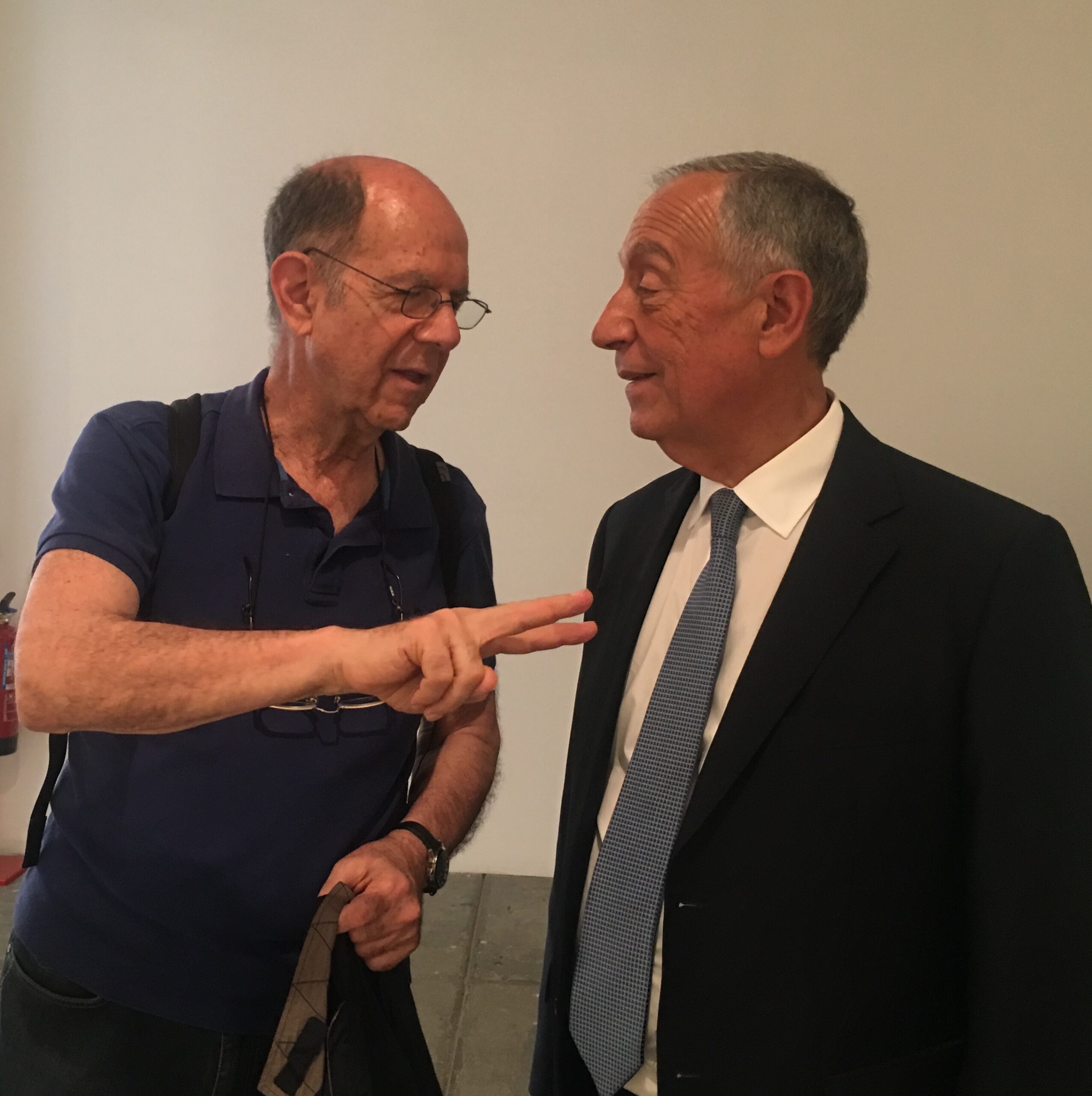
Notes from a conversation that spans Europe, identity and Portugal’s future.
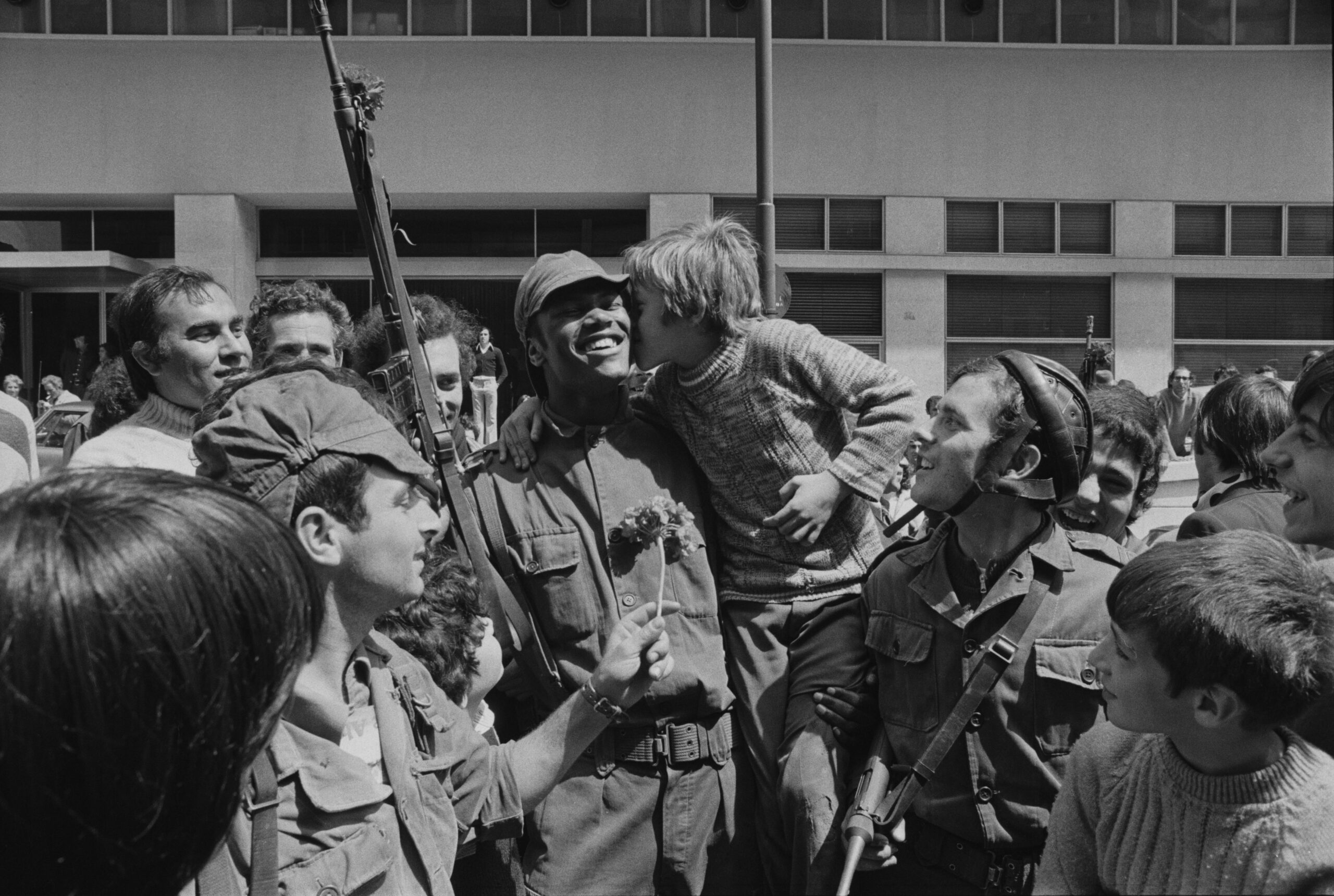
How foreign correspondents watched the Carnation Revolution, then and now.
A look at the figures and forces shaping a new political moment.
On the creative collisions when two languages share one conversation.
Why the words we choose in conflict can save clarity—or distort truth.
A portrait of resilience—and the curious rhythm of second chances.
What successive papal trips reveal about Portugal, faith and geopolitics.
Remembering a colleague whose compass never wavered: accuracy and humanity.
A contemporaneous file from a city on the edge of transformation.
A decade helping shape ideas worth spreading in Italy’s capital.
An interview by Joana Azedevo Viana for “I” magazine about the experience in Portugal as an AP correspondent and the run-ins with the political police.
A perspective on the state of communication in Italy, with examples of mixing politics and society and an invitation for “contamination.”
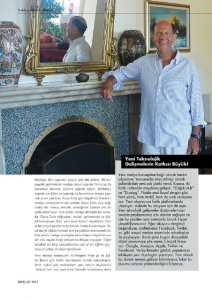
Describing the new world of communication and its implications for Turkish and international media in the Istanbul luxury magazine.

Context and consequence of a plot that shocked the faithful.
A farewell to a radical, complicated figure from Portugal’s past.
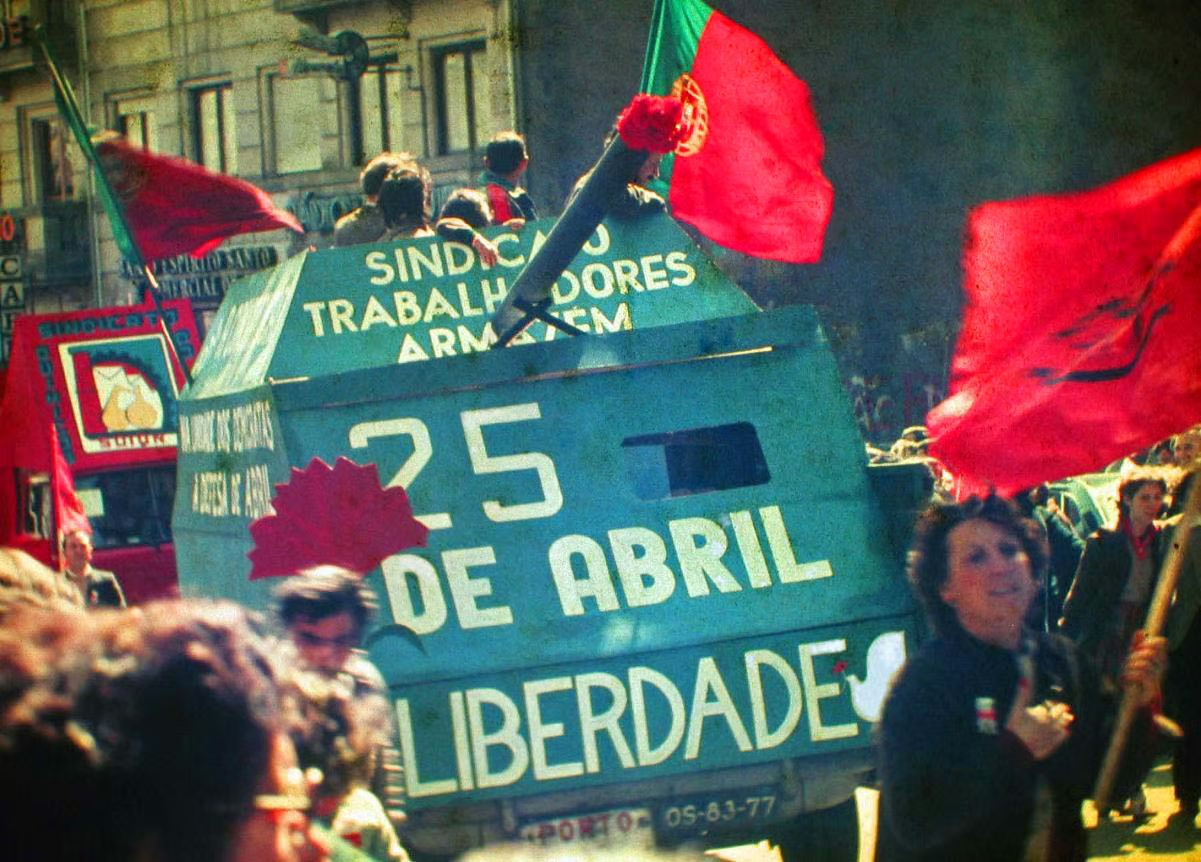
POLITICO reveals my PIDE file—and a reporter’s new history with a regime.
An analysis of the journalistic profession in the Web 2.0 era for “Aspenia Web 2.0: Power and Freedom” magazine.
Scenes and stakes as a sensational Italian case flips overnight.
Interviewed by “Lettera 43”, Redmont argues the controversy over Marchionne’s statements was “artificially” mounted.
A piece for Hürriyet Daily News on Villa Tre Ville, Franco Zeffirelli’s splendid residence on the Amalfi Coast, transformed into a luxury hotel.
A sarcastic analysis for “Obiettivo Impresa” magazine on the region’s search for a new identity amidst crisis and globalization.
An article for Aspenia Media Evo on reconciling freedom of information with new security needs and the fight against terrorism.
An interview with “Il Mattino” on the wiretapping bill, comparing Italy and the USA: “In the absence of PMs’ transcripts, investigative journalism will grow.”
Dennis Redmont quoted in the Financial Times: “In Italy, the media and newspapers were born as tools of an elite.”
An interview with “Il Mattino” from September 5, 2009.
“All social legislation in America had his name written on it,” declares Dennis Redmont, interviewed by the monthly “Liberal”.